

How to Get Better at Scrabble
Last updated: August 14, 2026
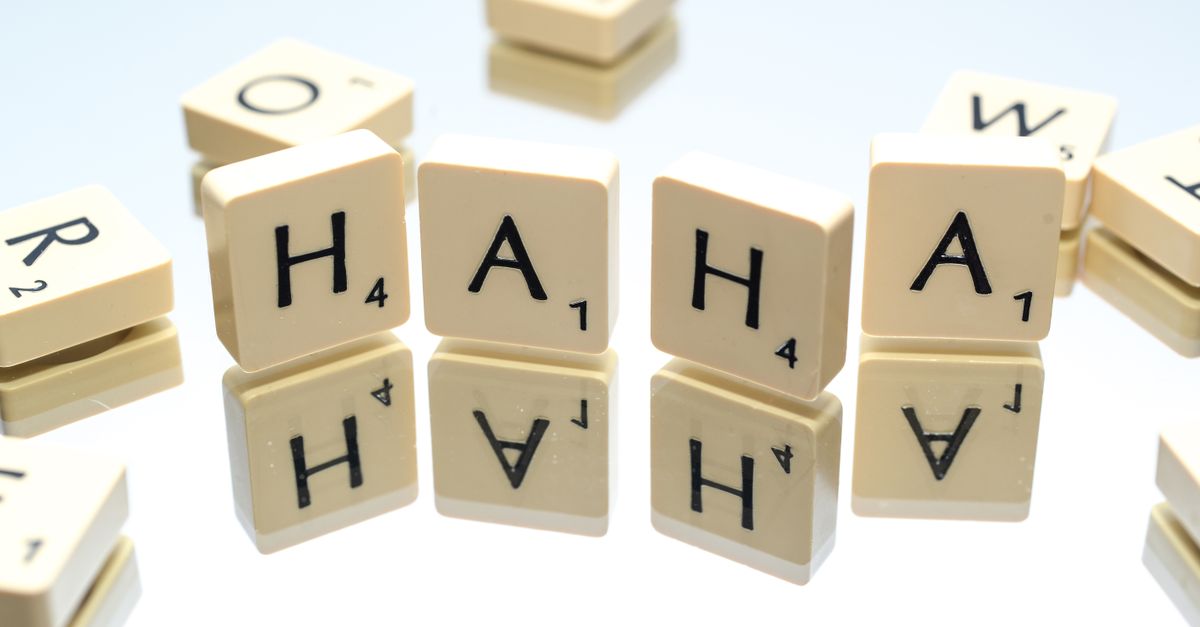
Scrabble rewards players who think one turn ahead. Face-value points matter, but leave quality, board hooks, and bingo setup usually decide longer games. This guide shares habits I use when I play, plus how JumbleFix can support practice without turning every turn into a pure look-up.
Start With Leave, Not Just Score
A 24-point play that leaves QQXZ on your rack is often worse than an 18-point play that leaves ERSIT. After every candidate, ask what six or fewer tiles you keep. Vowels and consonants should stay roughly balanced. Keep one flexible vowel (E, A, or I) and a mix of common consonants when you can.
Good leave letters include E, R, S, T, N, L, and A. Awkward leave letters include Q, V, C, and multiple U tiles with no Q. When two plays score within a few points, pick the cleaner leave.
Practice this by writing your rack, listing three legal plays, and ranking them by leave before you look at a solver. Then check face points on the Word score calculator if you want a number check.
Learn a Small Hook Kit
Two-letter words are the plumbing of Scrabble. You do not need the whole official list memorized on day one. Start with hooks that open premium squares: QI, ZA, JO, XI, XU, KA, KI, and AE show up constantly in modern lists.
When an opponent parks a word next to a Triple Letter, scan for a two-letter parallel that hits that premium. Parallel plays (building beside an existing word) often score more than extending the end of a word.
Use the 3 letter words with these letters and 2-letter habits together: many three-letter dumps exist only because a two-letter hook sits beside them.
Bingo Setup Without Forcing It
Seven-letter bingos need both a rack that can rearrange and an open lane on the board. If your rack is one tile away from a bingo stem (like RETAIN + one), look for a dump that improves the leave instead of forcing a weak six.
Common stems worth knowing: RETAIN, SATIRE, TISANE, and similar vowel-rich sets. You do not need hundreds of stems. Learn a handful, then use an anagram solver during study sessions (not mid-club tournament if rules ban aids).
On JumbleFix, open the Scrabble US hub or 7 letter words with these letters page, enter your rack with a blank as ?, and scan length-7 results. Read the definition before you celebrate an obscure bingo.
Q Without U, and Other Panic Tiles
Q is less scary when you know QI, QAT, QAID, QOPH, and a few longer forms. If your rack is Q plus junk, look for a short dump onto an I already on the board rather than holding Q for three turns.
V and C are awkward because they form fewer flexible combinations. Prefer plays that spend them even at a small score discount if they unblock your leave.
When you are stuck, the Can I make this word? tool is useful for testing one candidate against your rack before you commit.
Board Vision Checklist
Before you lock a play, glance at: open Triple Word lanes you are handing the opponent, hotspots beside high-value tiles already down, and whether your play creates an easy S or R hook for them.
Defense matters in close endgames. Sometimes the best play is a modest block that closes a Triple Word rather than a greedy open that gifts a bingo.
Track unseen tiles roughly: if most Ss are gone, do not sit on a leave that only works with an S hook.
How to Practice With JumbleFix (Without Spoiling Club Play)
Use solvers for post-game review and solo study. Replay a rack you mishandled, list what you saw over the board, then compare with the Scrabble word finder results.
Face points on JumbleFix are tile face values only. They do not include board multipliers, so treat them as a planning estimate, not a final score.
For more tool context, read Best Online Word Unscrambler Tools in 2026. For daily puzzle practice outside Scrabble, the blog covers Wordle, Connections, Strands, and Spelling Bee.